My Author's Journey
Years after leaving the Navy, I started having a dream.
At first, it was nothing more than scattered images and ideas. Pilots being shot out of the sky. Men landing in enemy territory north of the DMZ. A rescue mission.
But the dream kept coming back.
In later versions, my mind added details. At one point there was a helicopter rescue. Later dreams involved PT boats and missions deep inside North Vietnam.
These dreams continued for years—decades, actually.
Eventually, the dream began to resemble the story I would finally put down on paper.
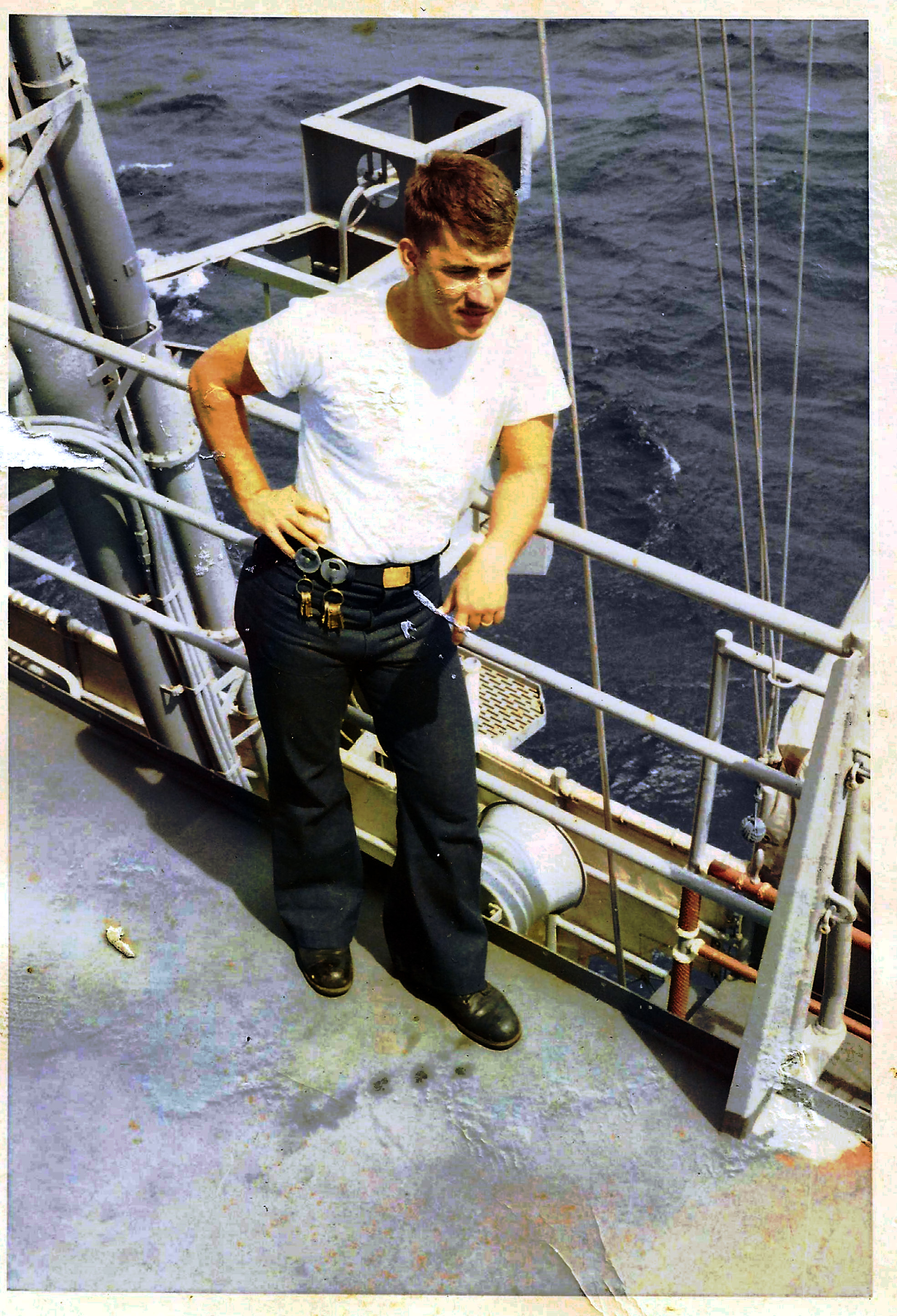
The USS Decatur
I served aboard the USS Decatur (DDG-31), a guided missile destroyer, during the Vietnam War. I was a Fire Control Technician, eventually becoming an FTG3.
My job involved maintaining the fire control computers and radar systems used to support the ship's weapons.
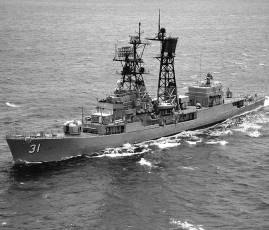
The Decatur was often part of the defensive screen surrounding the aircraft carrier USS Hancock in the South China Sea. But there were times when we operated farther north, including missions connected with search-and-rescue operations.
So when I finally began writing Call Sign: Blackjack, it was only natural that both the Decatur and the Hancock would become important parts of the story.
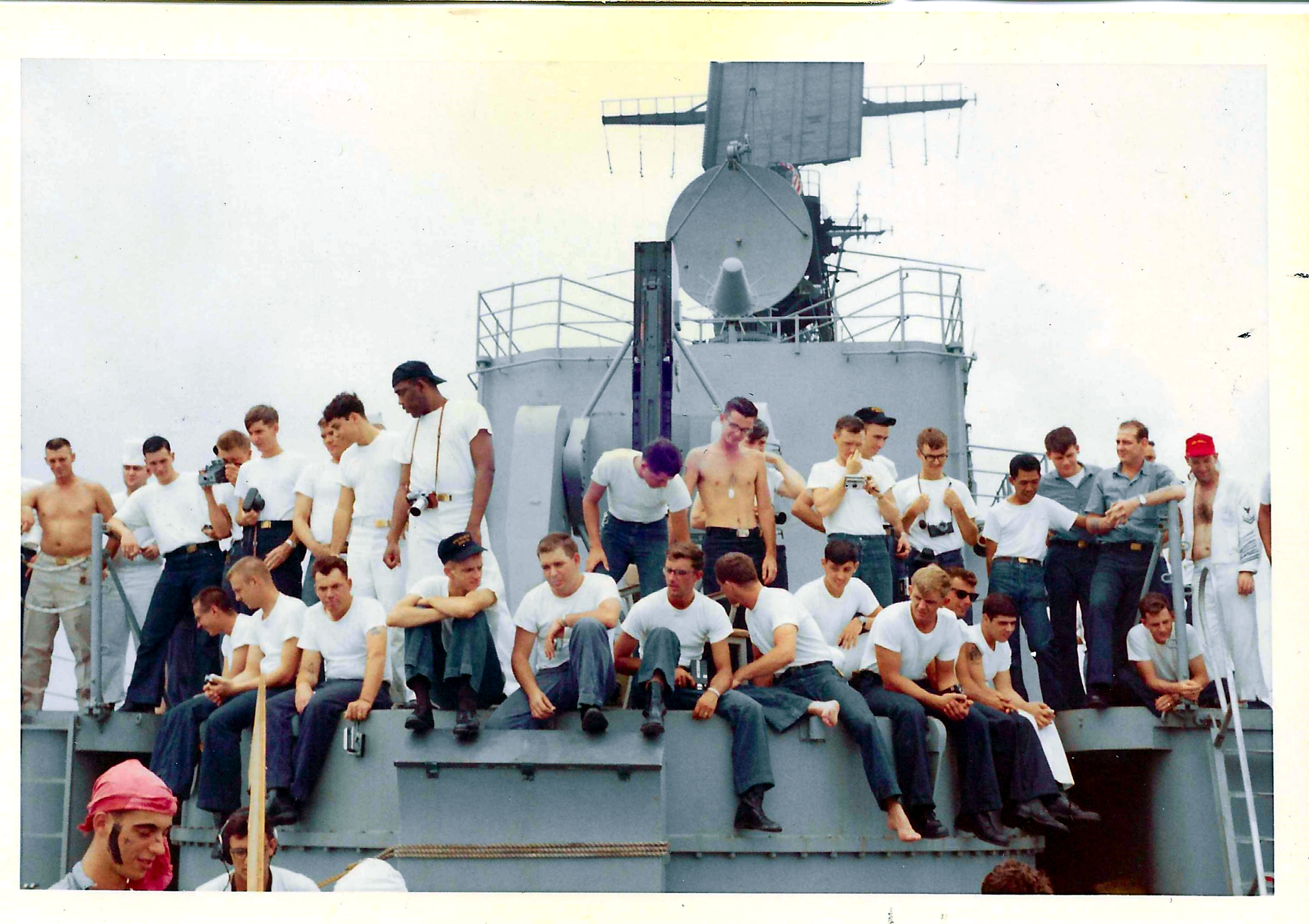
Looking Back
When you're young and serving aboard a Navy ship in the middle of the ocean, you don't always think about the experience the same way you do decades later.
At the time, we had a job to do. We stood watches, maintained equipment, performed our duties, and waited for the next thing to happen.
Looking back now, I realize how much of those years remained with me. Not always as memories I consciously thought about, but somewhere in the background.
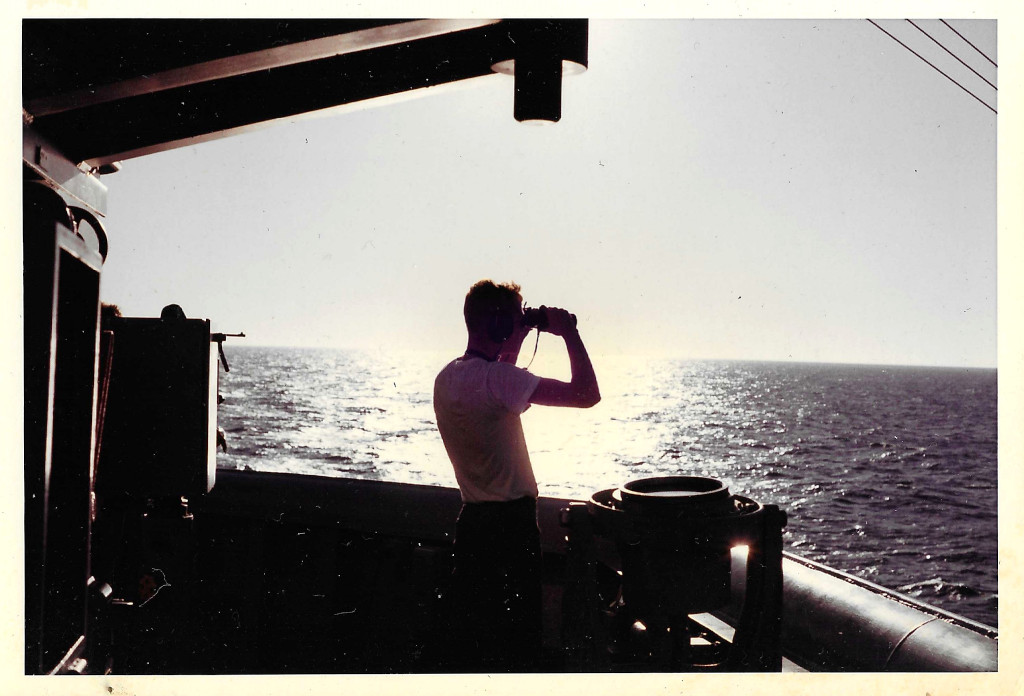
Perhaps that's why the dream kept returning.
The story that eventually became Call Sign: Blackjack—Escape from Hanoi began with the idea of a pilot shot down behind enemy lines. But as the story developed, it became about something more.
It became a story about loyalty. About the people we leave behind. And about what happens when someone decides that following the rules is no longer enough.
From the Sea to the Story
Although Call Sign: Blackjack is fiction, I wanted the military world surrounding the story to feel authentic.
The ships are real. The aircraft are real. Much of the military terminology and the atmosphere of life aboard a Navy ship come from my own experience.
That doesn't mean the story is history.
Jake Caffey, Sam Hunter, and the events of their mission are fictional. But I tried to place them inside a world that I knew.
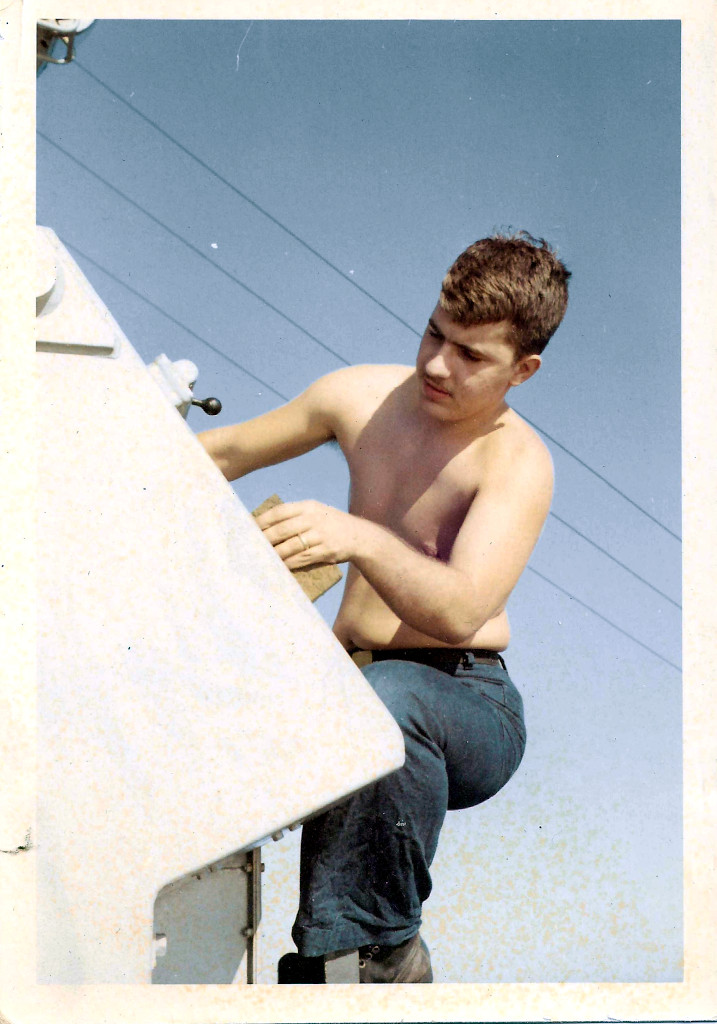

Decades later, it became a novel.
Why This Story Changed
As I wrote the novel, I began to realize that Jake's journey needed to become more than a mission to rescue his cousin.
Jake begins the story as a Navy pilot doing his job. From thousands of feet above the ground, the targets below him are coordinates, bridges, roads, and military installations.
But after being shot down, he sees the war from a different perspective.
Moving through the countryside and among the people living beneath the bombing raids, Jake can no longer remain separated from the consequences of the war he has been fighting.
That was something I felt belonged in the story.
Call Sign: Blackjack—Escape from Hanoi is still an adventure. It is still a story about an impossible rescue mission behind enemy lines.
But it is also about what happens when a man begins to question the world he thought he understood.
You change the rules.